

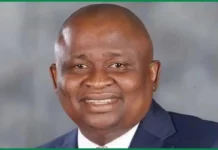


The ruling All Progressives Congress (APC) is weighing a consensus arrangement to select key governorship candidates in Lagos, Ogun, and Oyo states ahead of the 2027 general elections.
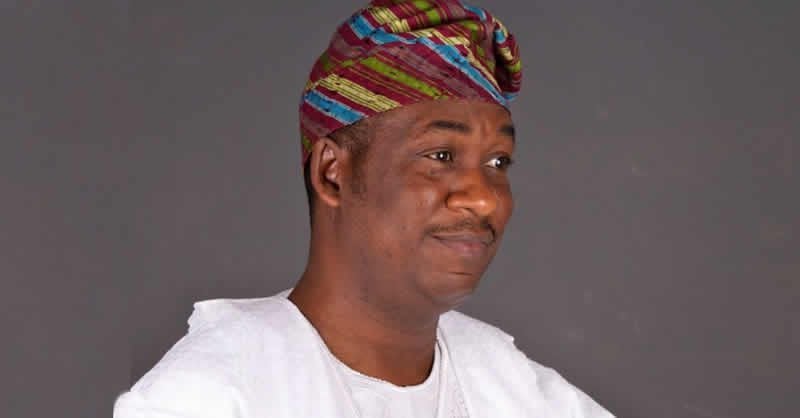
Top among those being considered is Lagos State Deputy Governor Obafemi Hamzat, who is reportedly favoured to emerge as the party’s candidate in Lagos.
Similarly, Senator Olamilekan Adeola, popularly known as Yayi, is being positioned for Ogun State, while Senator Sharafadeen Alli is said to enjoy backing for the Oyo governorship ticket.
The developments reportedly followed a high-level meeting between President Bola Ahmed Tinubu, Vice President Kashim Shettima, governors, and APC stakeholders in Lagos during the Eid-el-Fitr celebrations.
Sources familiar with the meeting disclosed that extensive deliberations were held on party strategy and candidate selection, particularly for South-West states where governorship elections are due in 2027.
According to the Independent National Electoral Commission timetable, presidential and National Assembly elections will hold on January 16, 2027, while governorship and state assembly elections are slated for February 6, 2027. Party primaries are expected between April and May 2026.
Insiders revealed that the APC is leaning towards consensus candidacy, a strategy the party has historically adopted to reduce internal conflict and strengthen electoral chances.
However, the move is not without resistance.
In Lagos, several aspirants, including Femi Gbajabiamila and Akinwunmi Ambode, are reportedly eyeing the ticket, while Minister of Education Tunji Alausa is also lobbying for consideration.
In Ogun State, the reported endorsement of Adeola is said to conflict with the preference of Governor Dapo Abiodun, who is believed to favour another contender, highlighting internal divisions within the party.
Meanwhile, in Oyo State, Alli’s candidacy appears to have gained broader acceptance among party stakeholders, amid concerns over the electability of Minister of Power Bayo Adelabu.
Despite the emerging alignments, party insiders say efforts are ongoing to manage dissenting voices through negotiations and possible compensations for affected aspirants.
The consensus approach has also reignited debate among political analysts and stakeholders, with critics warning that it could amount to imposition rather than genuine agreement.
The President of the Nigerian Political Science Association, Hassan Saliu, cautioned that consensus must be voluntary to uphold democratic principles.
Similarly, the Coalition of United Political Parties criticised what it described as a culture of imposed candidacies within Nigerian political parties.
As consultations continue ahead of the APC national convention, the party faces the challenge of balancing internal democracy with political strategy in its quest to retain dominance in the South-West.