

Fresh cracks have emerged within Nigeria’s opposition coalition ahead of the 2027 presidential election following the reported exit of Peter Obi and Rabiu Kwankwaso from the African Democratic Congress (ADC) to the Nigeria Democratic Congress (NDC).
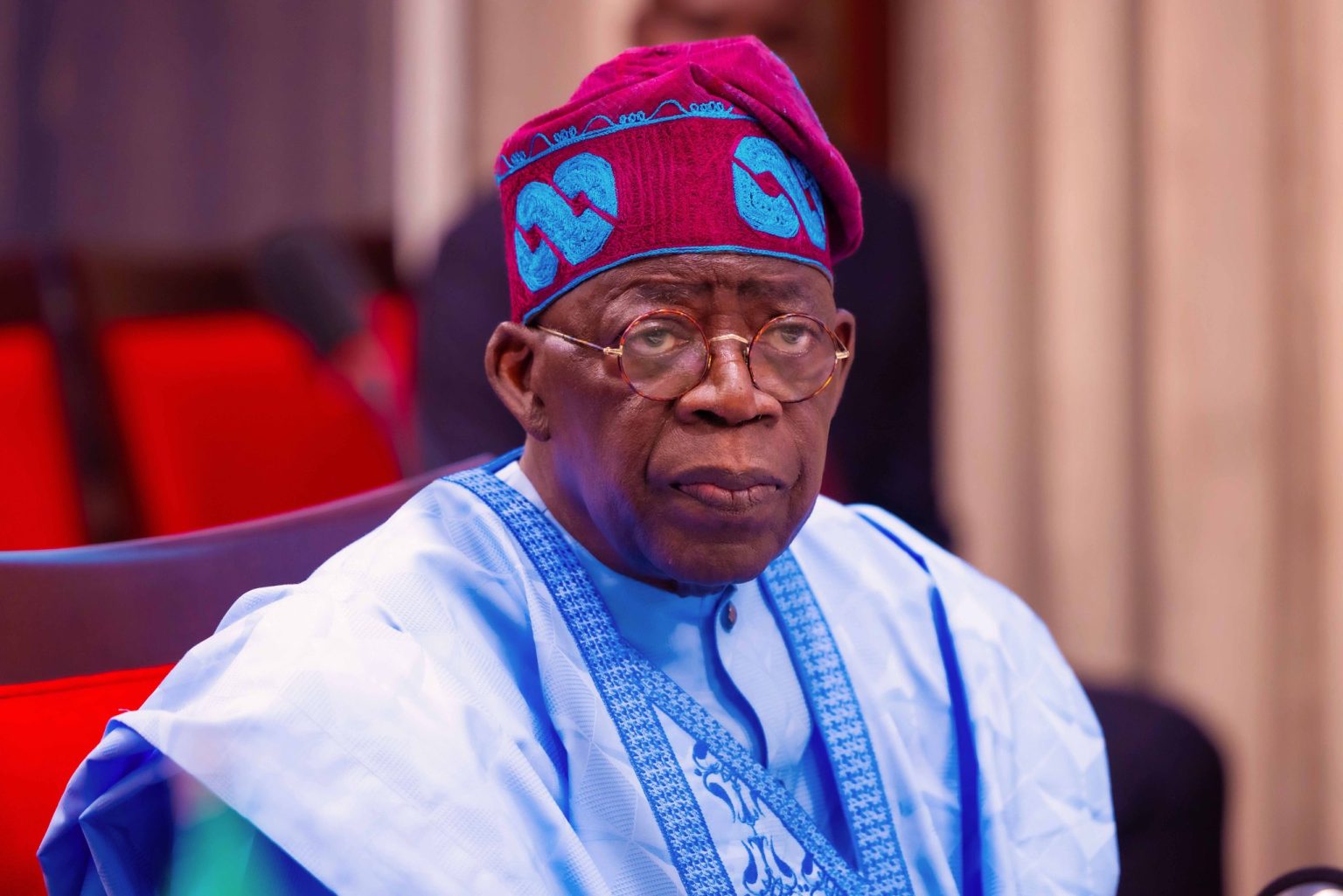
The development has triggered debate among political analysts and opposition supporters over whether a potential Obi-Kwankwaso alliance can mount a serious challenge against President Bola Ahmed Tinubu and the ruling All Progressives Congress (APC) in 2027.
Both Obi and Kwankwaso contested the 2023 presidential election on separate platforms — Obi under the Labour Party and Kwankwaso under the New Nigeria Peoples Party (NNPP). While Obi secured more than six million votes and won 12 states, Kwankwaso maintained dominance in Kano State through the Kwankwasiyya Movement.
Their earlier alignment with former Vice President Atiku Abubakar under the ADC coalition had initially raised hopes of a united opposition front capable of challenging the APC’s grip on power. However, the coalition’s fragmentation has now cast doubt on the opposition’s electoral strength.
Former Minister of Sports and Youth Development, Solomon Dalung, described Obi and Kwankwaso’s departure from the ADC as surprising and politically damaging.
According to Dalung, the coalition was built on a shared commitment to prioritise democracy and national interest over personal ambition. He argued that both politicians failed to make the sacrifices necessary to sustain a united opposition.
Dalung also dismissed claims that unresolved court cases influenced their exit, insisting that the Supreme Court judgment had already resolved internal disputes within the ADC.
He maintained that the ADC remains the strongest opposition platform ahead of the 2027 elections, citing Atiku’s traditional support base, growing backing from former President Muhammadu Buhari’s loyalists, and dissatisfaction within the APC.
Dalung further argued that an Obi-Kwankwaso ticket under the NDC would struggle to defeat Tinubu, noting that even their combined 2023 votes would not have been enough to secure victory.
He also claimed that Obi’s influence in parts of the Middle Belt and South-East had weakened, while Kwankwaso’s Kano support base had become fragmented due to shifting political loyalties.
Despite the concerns, Abuja-based political analyst Jide Ojo insisted that the political realignment could still reshape the 2027 race.
According to Ojo, Obi and Kwankwaso’s move to the NDC may provide them with a clearer path to contest for the presidency without playing second fiddle within the ADC coalition.
He revealed that behind-the-scenes negotiations between Obi and Atiku’s camps had stalled over the issue of who would emerge as the presidential candidate, with Obi reportedly unwilling to accept a running mate position.
Ojo added that political strategy, rather than ideology, often drives alliances and defections in Nigeria’s political landscape, stressing that unexpected outcomes remain possible in elections.
Meanwhile, media personality and former presidential aspirant Dele Momodu argued that the growing debate around zoning is being used as a distraction from governance issues such as insecurity, electricity and economic hardship.
Momodu suggested that zoning calculations and regional politics were influencing the decisions of key opposition figures ahead of the 2027 contest.
On the other hand, founding member of the APC, Osita Okechukwu, defended the relevance of zoning in Nigeria’s political system, arguing that it promotes inclusion, fairness and national unity.
With political alliances shifting rapidly and opposition camps divided over ambition, zoning and strategy, the battle for the 2027 presidency is already shaping up to be one of Nigeria’s most unpredictable political contests.