



The Nigeria Football Federation has ordered the Super Falcons technical crew to step down after Nigeria’s disappointing WAFCON campaign, amid calls for a wider football overhaul
NFF Orders Super Falcons Technical Crew to Step Down After WAFCON Setback
By Lukman OMIKUNLE
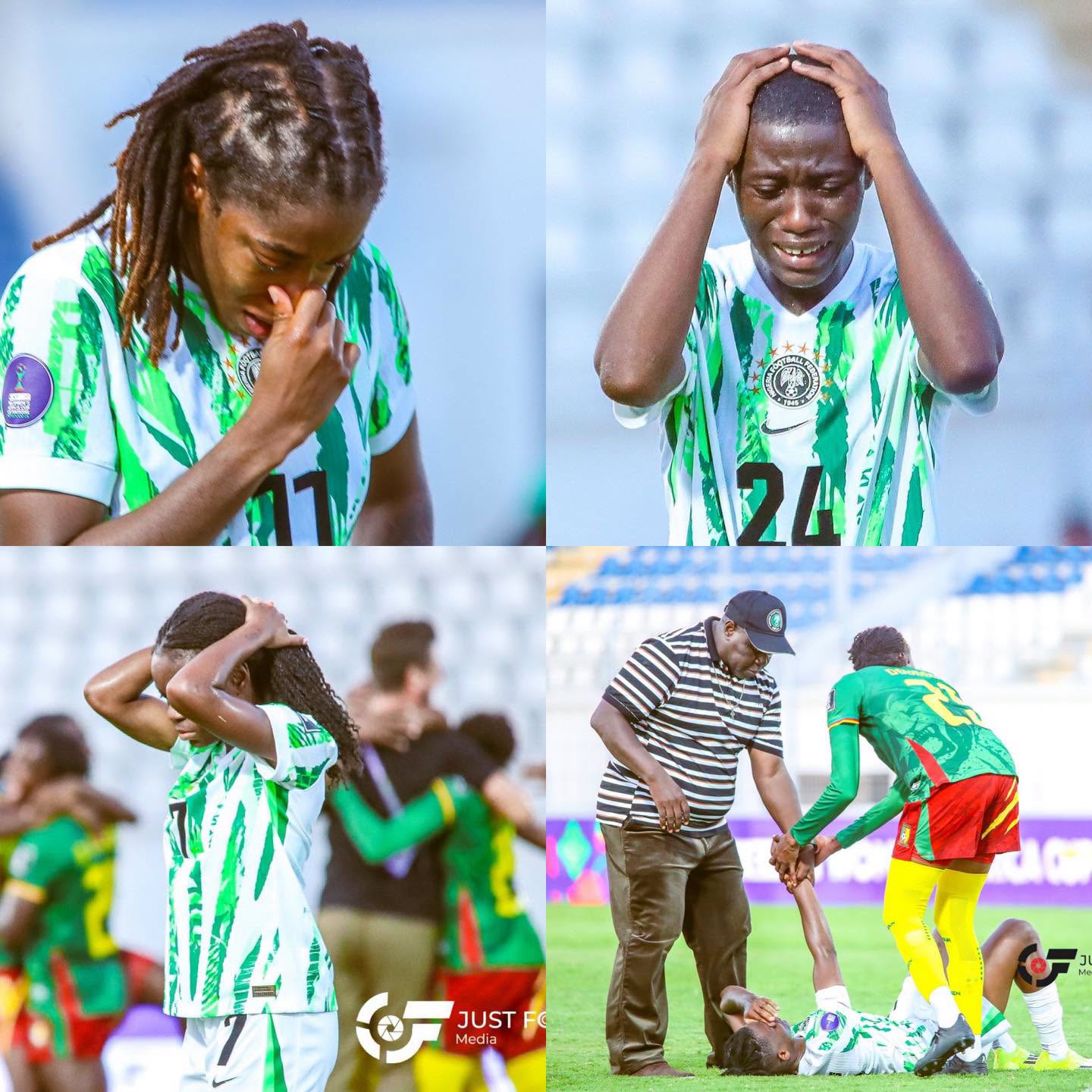
The Nigeria Football Federation, NFF, has ordered the technical crew of the Super Falcons to step down with immediate effect following Nigeria’s disappointing campaign at the 2026 Women’s Africa Cup of Nations, WAFCON.
The federation announced the decision on Monday, August 17, 2026, in a brief statement published on its official X account, bringing mounting pressure on the coaching staff to a head after the Super Falcons failed to meet expectations at the continental championship.
“The Executive Committee of the Nigeria Football Federation has asked members of the technical crew of the @NGSuper_Falcons to step down with immediate effect,” the NFF stated.
The decision comes barely a day after the conclusion of the 2026 WAFCON in Morocco, where Nigeria entered the competition as defending champions and Africa’s most successful women’s national team. The Super Falcons had been targeting an 11th continental title after their dramatic triumph in Morocco at the previous edition, but their campaign failed to match the high expectations surrounding the team.
Nigeria’s title defence suffered an early setback when the Super Falcons were stunned 3-2 by tournament debutants Malawi in their opening Group C fixture. Although the team responded with a 1-0 victory over Zambia and later thrashed Egypt 6-2 to reach the knockout stage, the difficult start exposed weaknesses that raised fresh questions about the team’s tactical direction and overall preparation.
The tournament was particularly significant because the 2026 WAFCON also served as Africa’s qualification route for the 2027 FIFA Women’s World Cup in Brazil. The four semi-finalists were guaranteed automatic World Cup qualification, while teams eliminated at the quarter-final stage remained in contention through the play-off route.
The NFF’s decision has therefore intensified the debate over the direction of Nigerian football, with growing frustration among supporters over what many perceive as a pattern of underperformance across the country’s national teams.
The Super Eagles had already suffered a major setback before the WAFCON after failing to qualify for the 2026 FIFA World Cup. Nigeria’s hopes of reaching the tournament ended in November 2025 when the Eagles lost to the Democratic Republic of Congo on penalties in the African play-off final. The defeat meant Nigeria would miss the World Cup for a second consecutive edition.
The failure of the senior men’s team was followed by concerns over the performances of several of Nigeria’s age-grade national teams, adding to the perception among football supporters that the country’s football development structure requires urgent attention.
For many Nigerians, the latest NFF decision is therefore unlikely to be viewed as sufficient on its own. Calls have intensified on social media and among football stakeholders for a broader review of the country’s football administration, with some supporters demanding the resignation of the entire NFF leadership and a comprehensive overhaul of the system responsible for managing Nigeria’s national teams.
The growing calls reflect frustration that Nigeria, despite possessing one of Africa’s deepest pools of football talent, has struggled to consistently convert that talent into success at the highest level. The Super Eagles’ World Cup absence and the Super Falcons’ disappointing WAFCON campaign have further sharpened scrutiny of issues ranging from coaching appointments and technical planning to player development, scouting, grassroots football and administrative decision-making.
The Super Falcons had entered the 2026 WAFCON as defending champions after their memorable comeback against Morocco in the previous final, where Nigeria recovered from two goals down to win 3-2 and claim a record-extending 10th continental crown. Expectations were consequently high that the team would once again dominate the tournament.
Instead, the shock defeat to Malawi immediately put the defending champions under pressure and forced them to fight for qualification from their group. The subsequent victories over Zambia and Egypt restored some confidence, but the overall campaign ultimately left supporters questioning whether the team had been adequately prepared to defend its crown.
The NFF’s decision to remove the technical crew now opens another chapter for the Super Falcons, with the federation expected to begin the process of determining a new coaching structure and broader technical direction for the team.
The development also puts the spotlight on the NFF Executive Committee itself. While the federation has acted against the technical crew, the wider demand from supporters is for accountability at every level of Nigerian football administration.
With Nigeria facing important international assignments ahead, the pressure is now on the NFF to demonstrate that the latest decision is part of a genuine restructuring process rather than another coaching change that leaves the underlying problems untouched.
For Nigerian football fans, the expectation is clear: the country’s abundant football talent must once again be matched by competent administration, sound technical planning and results on the international stage.