
Nigerian Envoy: Tinubu and Family Enjoy Full Transit Freedom, Cannot Be Arrested at UNGA
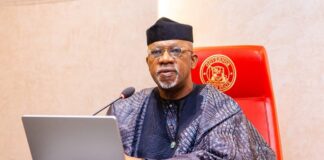
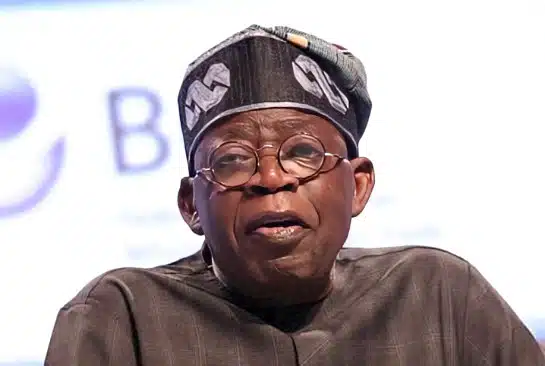
Nigeria’s Permanent Representative to the United Nations, Ambassador Jimoh Ibrahim, has firmly stated that President Bola Ahmed Tinubu and members of his family enjoy unrestricted transit rights and cannot be arrested in the United States while attending the United Nations General Assembly (UNGA).
In a statement released by the Office of the Permanent Representative of Nigeria to the United Nations in New York, Ibrahim, who also chairs the UN Committee on Budget and Administration, disclosed that the Nigerian Mission has received no notification from the US government imposing any form of restriction on the President’s movement during the high-level meeting.
Citing Section 11 of the 1947 UN-US Headquarters Agreement, the envoy explained that representatives of member states, their families, UN officials, specialised agencies and invited persons are protected from any impediments to their transit to and from the UN Headquarters district. The provision obliges US federal, state and local authorities to refrain from placing restrictions on such movements.
Ibrahim noted that participation at the UNGA remains a matter of national priority. He pointed out that more than 60 per cent of the current speaking list is occupied by vice presidents and foreign ministers representing their countries, meaning heads of state can, when necessary, delegate attendance.
The ambassador recalled that a former Nigerian president—not President Tinubu—was once limited to a 10-kilometre radius around the UN Headquarters over a drug-related allegation that was never proven. He stressed that an allegation does not amount to a crime and that criminal accusations must be established through due process and proved beyond reasonable doubt before any conviction can stand.
Ibrahim dismissed ongoing social media campaigns seeking to criminalise or engineer the arrest of President Tinubu as ultimately futile.
He further clarified that while US law-enforcement agencies may invite individuals to provide statements or collect identifying information—including personal history, educational records and fingerprints—during investigations, such data is used to establish connections between persons or networks and remains protected. It is not automatically made public, even in cases involving financial or other alleged offences.
The envoy concluded by urging Nigerians to continue upholding the national flag with pride and to support the economic transformation agenda being pursued under President Bola Ahmed Tinubu.