






By Lukman OMIKUNLE
FIFA’s Technical Study Group says the expanded 48-team FIFA World Cup 2026 has delivered more goals, greater competitiveness and fewer one-sided matches, with emerging nations impressing
FIFA Technical Study Group Praises 48-Team World Cup as Competition and Goals Increase
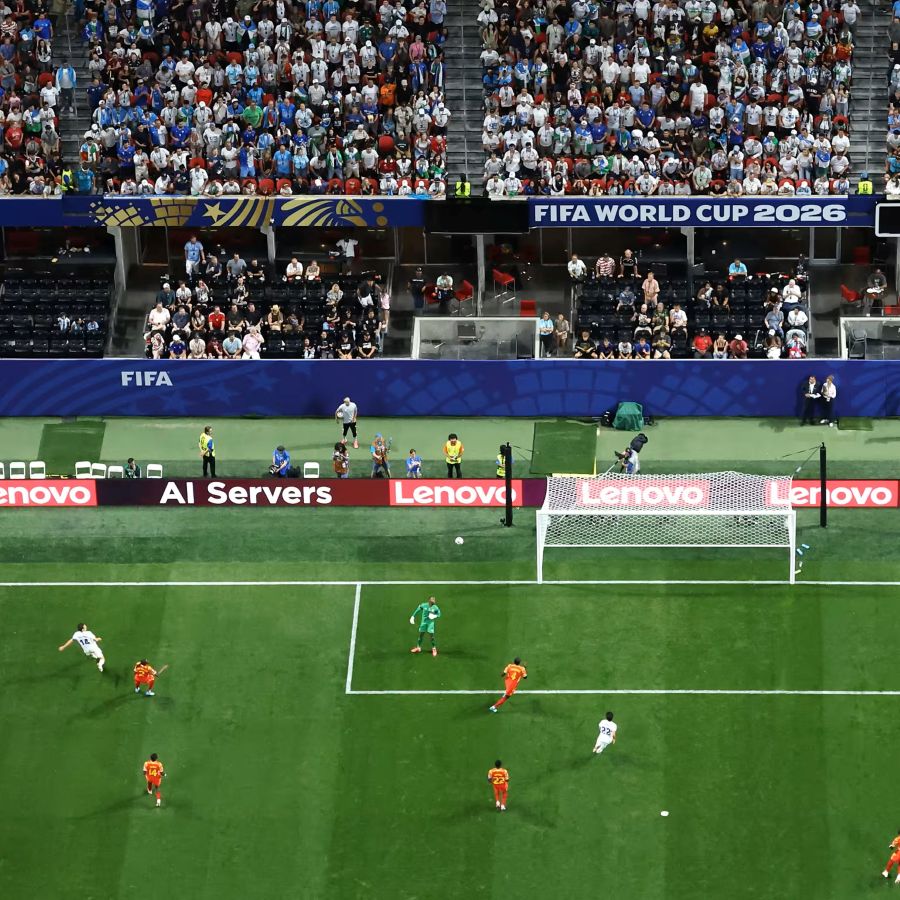
The expanded 48-team format of the 2026 FIFA World Cup has exceeded expectations, with FIFA’s Technical Study Group (TSG) declaring the tournament more competitive, entertaining and tactically advanced than many critics had predicted.
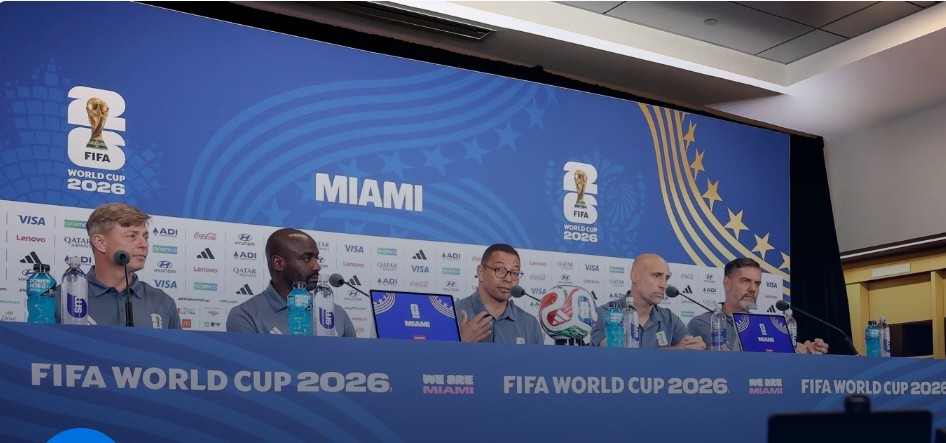
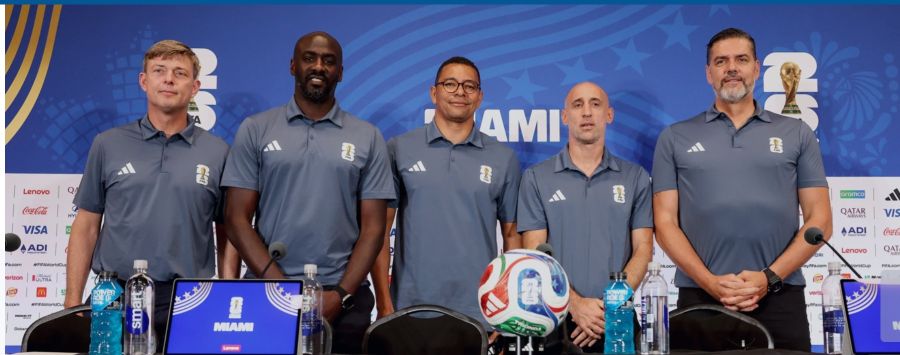
Following the conclusion of the group stage, members of the TSG—including former Argentina defender Pablo Zabaleta, ex-Denmark striker Jon Dahl Tomasson, Brazil World Cup winner Gilberto Silva, former Ghana coach Otto Addo, FIFA Senior Football Expert Pascal Zuberbühler and FIFA Football Performance Insights analyst Tom Gardner—offered an encouraging assessment of the tournament’s opening phase.
Despite concerns before kick-off that the expanded competition would produce lopsided scorelines, the panel said emerging football nations have demonstrated that there are no easy matches at the World Cup anymore.
“I love this tournament. I [also wondered]: ‘Wow, 48 teams, how will it go? Will the gap be massive or not?’ I think we have and we’ve seen all the answers, and we received all the answers. It’s fantastic to see teams performing,” Zuberbühler said.
“It shows [clearly] that also the smaller nations against the bigger nations, the bigger names – that they are competitive. And this is something that we have observed so far with fantastic enjoyment.
“We didn’t have massive, big results, where they [lost] 7-0 twice or three times in a row. Of course, one game from Germany, when they beat Curaçao 7-1, was a bigger result, but it was 1-1 [for quite] a long time. For me, that’s already a big win at the (FIFA) World Cup. It shows that global football is growing massively.”
Zabaleta echoed that view, insisting the tournament has proved that reputation alone is no longer enough to guarantee victory.
“You can see how those favourite teams have been struggling a little bit in the group stages, and it tells you that, these days, you don’t have easy games. You have to perform, you have to do well to win games,” he said.
Addo singled out Africa’s impressive showing, noting that nine of the ten African nations that qualified for the tournament progressed to the knockout rounds. He also praised Cabo Verde and tournament debutants Curaçao for proving they belong on football’s biggest stage.
“I’m very, very happy that the African teams use this possibility to show what they can (do) and I think in general, and for each team it was a hard to get here, and every team which is here deserves it, I’m very happy that they have shown (their quality). Cabo Verde I think have proven that they belong here and it’s really, really nice to see,” Addo said.
He also highlighted Curaçao’s historic draw against Ecuador, describing the Caribbean nation’s first-ever FIFA World Cup point as another sign of football’s growing global competitiveness.
Beyond the performances on the pitch, FIFA’s technical analysts revealed that the tournament is producing more goals than previous editions. Gardner said scoring has continued an upward trend seen over recent World Cups.
“The goals per game has increased from 2018 to 2022, and even now, sitting just under three goals per game,” he said.
The Technical Study Group also identified a strong statistical relationship between quick ball recovery and winning matches, suggesting that aggressive counter-pressing has become one of the defining tactical features of the tournament.
“We are seeing a strong link between teams who are counter-pressing and regaining quickly, and success… winning teams are regaining the ball on average four seconds faster than losing teams and again, as we move into the knockout stages, we’ll be following closely to see if that trend continues,” Gardner added.
The panel also welcomed FIFA’s new rules aimed at reducing time-wasting, saying they have made matches faster and more entertaining.
“You see players now, they’re not going down and wasting time because they know they have to go out and just wait, and [leave] the team with 10 players, maybe for one minute. So, goalkeepers going quick, when they catch the ball, and they’re not wasting time, again, on the floor, if not, they will concede a corner. The new rules, I think improve the dynamic of the game,” Zabaleta said.
Tomasson shared a similar view, saying: “I hate it when teams are running down the clock. I hate it… we need to take care of our product, football… there needs to be excitement.”
The experts also observed that hydration breaks have become an important tactical tool, allowing coaches to make adjustments while helping players maintain intensity during matches.
“Those breaks give you the chance to get a little bit of rest and go into those 25 minutes a little bit fresher,” Zabaleta explained.
Gilberto Silva, meanwhile, praised the introduction of the FIFA Power Rankings powered by Aramco, saying the data-driven system recognises the contributions of players whose influence often goes unnoticed.
“It’s great that the people are paying attention (to) the importance of the holding midfielders, [their] hard work for the team, you know, [their] pressing. We talk a lot on the topic here of counter-pressing, how important they are to guide it out to players in front of them. How important they are when are they in the low block to position (themselves) in front of the defenders. But also (the power rankings) giving this credit to them, you know. I’m so happy to see that.”
With more goals, fewer one-sided contests and emerging nations proving they can compete with football’s traditional powerhouses, FIFA believes the expanded World Cup has validated the decision to increase the tournament to 48 teams, setting the stage for an even more compelling knockout phase.