


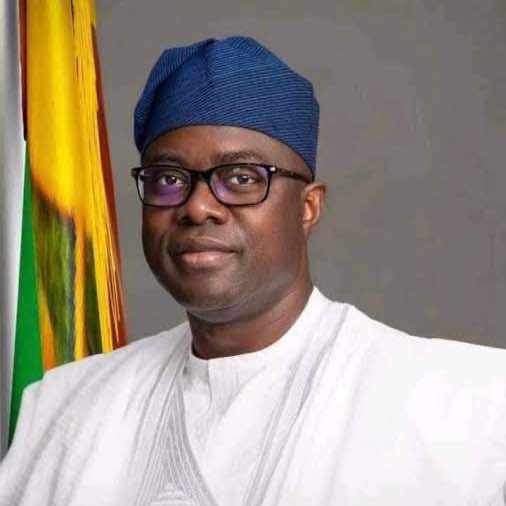
Governor Seyi Makinde of Oyo State has called on opposition parties across Nigeria to close ranks and strengthen collaboration, warning that a fragmented opposition could pose serious risks to the nation’s democratic stability.
Makinde made the appeal on Saturday while addressing political leaders at an opposition summit held in Ibadan, the Oyo State capital.
The high-level meeting, which took place at the Banquet Hall of the Government House, brought together key figures from major opposition platforms, including the Peoples Democratic Party (PDP), African Democratic Congress (ADC), and the New Nigeria Peoples Party (NNPP), among others.
According to the organisers, the summit was convened to improve coordination and foster unity among opposition groups at a time of mounting national challenges.
In his remarks, Makinde clarified that the gathering was not intended to fuel division or political confrontation but to encourage responsible and constructive engagement across party lines.
“If we allow opposition to weaken, whether by design or neglect, then we all bear the consequences,” he said. “This is not a movement for fragmentation or violence, but one rooted in thoughtful participation and national responsibility.”
The governor stressed the need for political actors to rise above partisan interests, noting that Nigeria’s current socio-economic and security concerns demand honest dialogue and collective action.
He further warned against complacency, stating that the country has reached a critical point where the role of a vibrant opposition can no longer be ignored.
“The responsibility to ensure that Nigeria does not drift further rests on all of us,” Makinde added, as he welcomed participants and expressed optimism about the outcome of the deliberations.
The summit, themed “That We May Work Together for a United Opposition to Sustain Our Democracy,” was described as a strategic response to growing concerns over governance, economic pressures, and security issues facing the country.