


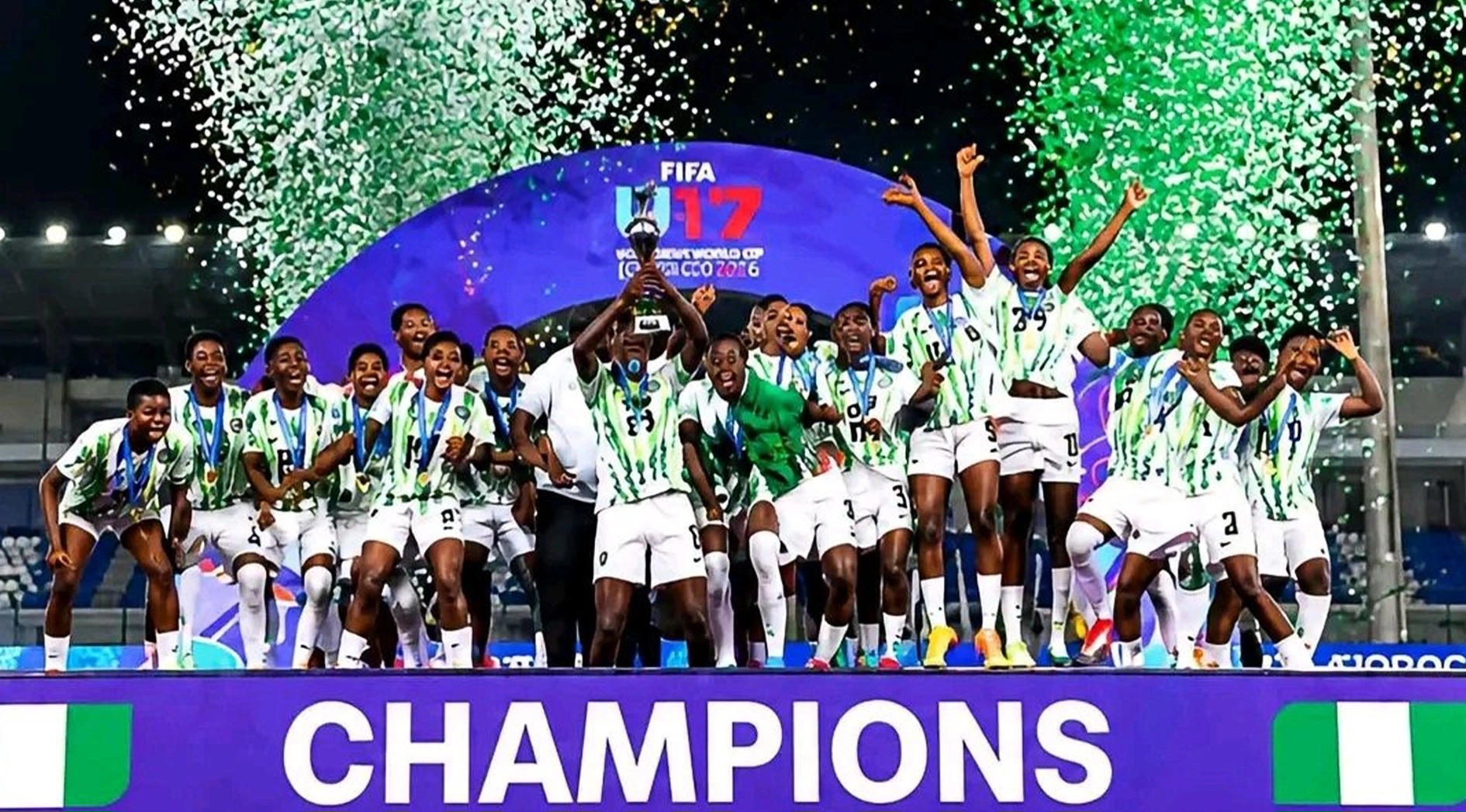





The recent success of the Under-17 girls at the World Cup reminded us of something we had almost forgotten: Nigeria knows how to nurture champions.
Nigeria Is Rising Again: The Quiet Revolution in Youth Sports
By Victor GANZALLO
Nigeria is back on the ascendancy in youth sports development, and this time, it does not feel like a fleeting moment of luck. It feels like the beginning of a system finally working. From football pitches to swimming pools, young Nigerians are no longer just participating; they are competing, winning, and rewriting what is possible for this country on the global stage.
The recent success of the Under-17 girls at the World Cup reminded us of something we had almost forgotten: Nigeria knows how to nurture champions. For decades, our age-grade teams have been a source of national pride, but in recent years that pipeline seemed to dry up, choked by poor planning, short-term thinking, and neglect.
The Flamingos’ resurgence is therefore more than a tournament run. It is proof that when talent meets structure, Nigeria still produces world-class athletes.
That same story played out in the water in Dakar, Senegal. At the Africa Zone 2 Swimming Championships, Team Nigeria delivered a historic performance, sweeping a record 35 medals — 17 gold, 14 silver, and 4 bronze — across junior and senior events.
Swimming has never been Nigeria’s traditional stronghold, which is precisely why this feat matters so much. It shows growth is no longer limited to football. A new sporting culture is taking root.
But numbers alone do not tell the full story. Behind those 35 medals are young swimmers who trained in difficult conditions, who kept showing up, and who finally got the support they deserved. Their success is a testament to what happens when federations are held to a higher standard and athletes are treated as investments, not afterthoughts.
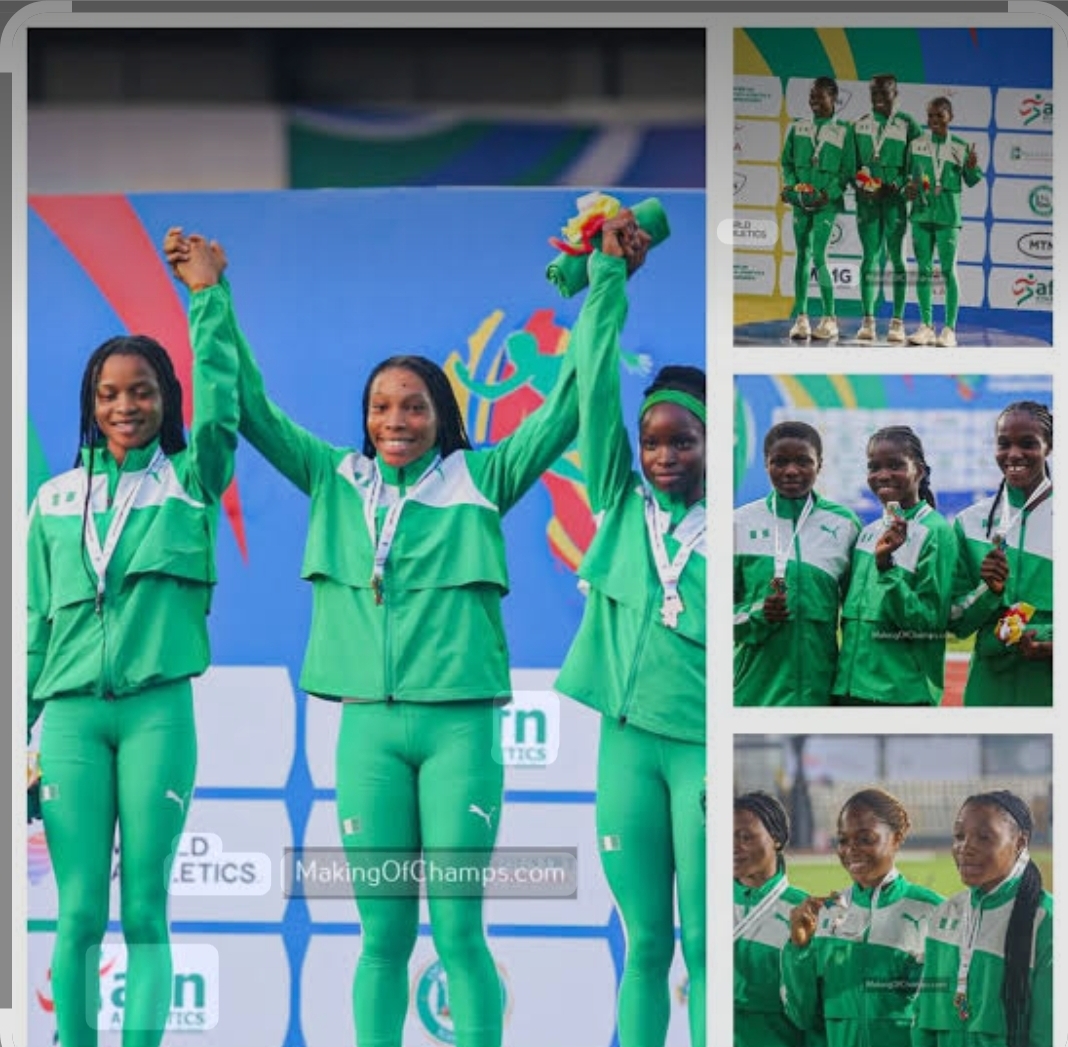
If Dakar gave us quantity, the Youth Olympic Games in Dakar gave us history. Sixteen-year-old Kashope Obatoyinbo became the first Nigerian athlete ever to reach a swimming final at the Youth Olympic Games, finishing 6th in the men’s 50m freestyle. To understand the weight of that, one must understand Nigerian swimming: a sport long starved of facilities, funding, and belief. Obatoyinbo did not just swim a race; he broke a barrier.
His journey to that final was itself the stuff of legend. Forced into a dramatic swim-off against the Bahamas just to earn his place, he held his nerve, won, and then went on to compete with the best young swimmers in the world. That single moment — a Nigerian teenager refusing to blink under pressure — will inspire more children to enter a pool than any policy document ever could.

None of this happened by accident. These results can be directly linked to the tireless efforts and reform-minded leadership at the National Sports Commission, led by its Director General, Bukola Olopade, and its Chairman, Shehu Dikko. Since taking charge, they have pushed a clear philosophy: develop from the grassroots, fund what works, and measure success not by press conferences but by podiums.
Olopade, in particular, has brought an energy and urgency that the sports sector desperately needed. From talent identification programmes to improved camping, welfare, and international exposure for athletes, his approach has been hands-on and athlete-centred. He understands that champions are not discovered at competitions; they are built long before they arrive there.
Dikko has complemented that drive with structure and strategic vision. Under his chairmanship, the Commission has worked to restore credibility, strengthen federations, and align Nigeria’s sports development with international best practice. Together, they have turned the Commission from a bureaucratic office into an engine of performance.
Above them, the administration of President Tinubu has provided the political will and policy backing that makes such reforms possible. By prioritising sports as a tool for youth empowerment, national unity, and economic opportunity, the President has given the Commission the space to plan long-term, rather than merely react from one tournament to the next.
What we are witnessing, therefore, is a shift from fire-brigade sports administration to deliberate nation-building through sports. The old model was to wait for a competition, hurriedly assemble a team, and pray. The new model is to identify talent early, invest in coaching, provide competitive exposure, and trust the process.
The medals in Dakar are the dividends of that process.
The implications go far beyond medals. Every young girl who watched the Flamingos will believe she can play for Nigeria. Every boy who watched Obatoyinbo will believe a Nigerian can swim in an Olympic final. Sports gives our youth discipline, hope, and a pathway out of despair. In a country with over 100 million young people, that is not a luxury; it is a national necessity.
To be clear, the work is not finished. Nigeria still needs more pools, more pitches, more qualified coaches, and more private-sector investment. We still need school sports to be revived, state sports councils to be strengthened, and a sustainable funding model that does not collapse with every change in government. Success must not make us complacent.
But for once, let us celebrate progress while demanding more. Let us protect this momentum, hold the leadership accountable, and insist that these reforms outlive personalities and administrations.
If we do, the 35 medals in Dakar and the historic final in the Youth Olympics will not be remembered as isolated miracles, but as the first chapters of Nigeria’s greatest sporting era. If we do, the 35 medals in Dakar and the historic final in the Youth Olympics will not be remembered as isolated miracles, but as the first chapters of Nigeria’s greatest sporting era.
By Victor Ganzallo, a revered journalist and public commentator writes from Lagos