

By Lukman OMIKUNLE
From engineer to governor, statesman, and philanthropist, Otunba Gbenga Daniel’s vision for governance, humanity, and innovation continues to define modern leadership in Nigeria

How Otunba Gbenga Daniel’s Vision, Leadership, and Legacy Continue to Shape Ogun
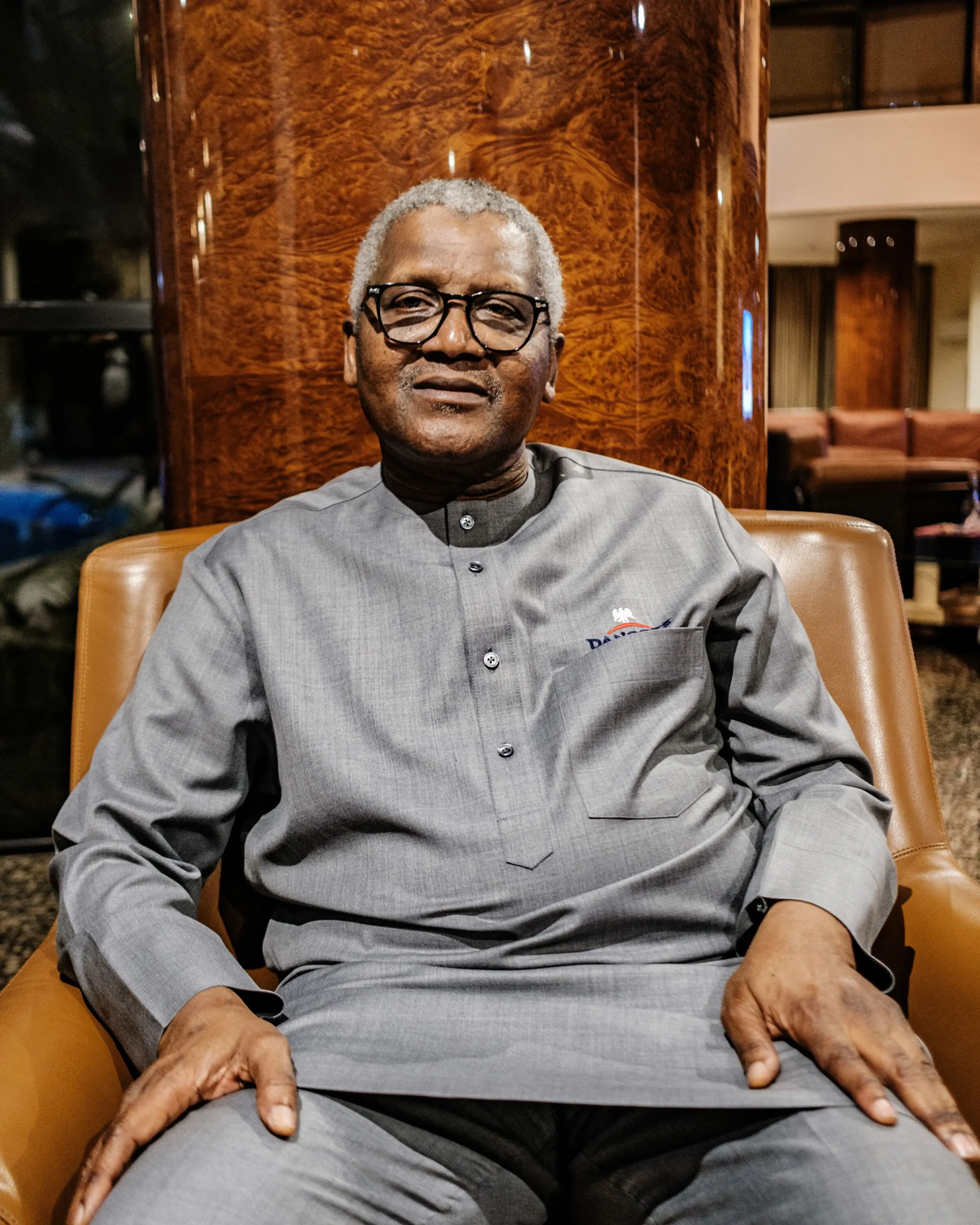
When history remembers the men who defined leadership in Nigeria’s Fourth Republic, Otunba (Engr.) Gbenga Daniel, FNSE, FAEng, will stand among those who led with vision, governed with compassion, and served with uncommon purpose.
OGD, as he is fondly called, has become more than a name — he is a movement, a model, and a metaphor for transformational leadership rooted in intellect, humility, and human impact.
Born on April 6, 1956, Gbenga Daniel’s life story reads like a testament to diligence, discipline, and destiny.
Before the allure of politics, he had already conquered the world of engineering and enterprise. As Managing Director of Kresta Laurel Limited, OGD built one of Nigeria’s foremost engineering and elevator technology companies — a business synonymous with innovation, precision, and integrity.
He brought that same corporate efficiency and forward-thinking mindset into public service when destiny called him to govern Ogun State in 2003.
As governor, Daniel reimagined Ogun not as a sleepy neighbour to Lagos, but as “The Gateway to the Future.”
His administration transformed the state’s identity — from a civil service economy to an industrial hub attracting over 100 new manufacturing firms, according to the U.S. diplomatic cables (WikiLeaks, 2008).
Under his watch, internally generated revenue grew eightfold, industrial estates multiplied, and infrastructure received historic investment.
He launched power projects, championed local content in free trade zones, and turned Ogun into the preferred destination for global and local investors.
The world took notice. Diplomats, investors, and development agencies saw in him what Nigerians were beginning to realise — a leader who understood the language of progress.
“Ogun has land, labour, and leadership,” the Wikileaks cable summarised. “Daniel has made the state business-friendly.”
But beyond figures and factories was the human side of OGD’s governance.
He expanded access to education, empowered the youth, and invested in technical training. His administration revived public schools, built model institutions, and equipped young people with the skills to compete in a digital economy.
In healthcare, he prioritised rural clinics, maternal health, and hospital upgrades.
In housing, he built communities; in roads, he built access; in policy, he built hope.
OGD’s leadership model was not transactional — it was transformational.

“Development without human compassion is just construction,” he once remarked.
After leaving office, Daniel did not retreat — he redefined what political retirement should look like.
Through the Gateway Front Foundation (GFF), he continued to empower widows, fund scholarships, support healthcare initiatives, and nurture the dreams of young Nigerians.
His humanitarian projects became a continuation of the values he championed in office — compassion, inclusion, and empowerment.
In 2023, the call to service came again — this time to the Senate of the Federal Republic of Nigeria, representing Ogun East under the Tinubu administration’s Renewed Hope Agenda.
At the National Assembly, OGD has emerged as one of the most respected voices on private-sector innovation, industrial growth, and regional integration.
He embodies the bridge between policy and productivity, ensuring that governance remains people-centred and development-driven.
What makes OGD’s story profound is not just what he achieved, but how his ideas continue to shape Ogun’s trajectory long after his tenure.
Subsequent administrations have built on his industrial blueprint — from the Olokola Free Trade Zone to the Ogun-Guangdong Industrial Park, the Kajola Railway Industrial Zone, Gateway Agro-Cargo International Airport and the state’s expanding network of roads and power projects.
Ogun today remains one of Nigeria’s most industrially active states — a living testament to the foundation laid by his vision of “Gateway Prosperity.”
Yet, perhaps OGD’s greatest legacy lies in his character — his simplicity, his intellect, and his refusal to weaponise politics.
He has remained a rallying point for unity across the Southwest and a stabilising force in Nigeria’s often turbulent political climate.
He embodies a rare blend of an engineer’s logic, an entrepreneur’s vision, and a statesman’s grace.
To his admirers, he is the builder who never stopped building — from roads to relationships, from policies to people.
To his critics, he is the strategist who never lost relevance, adapting to every political season with wisdom and calm authority.
And to his people, he is simply the man who cared — and still does.
As Otunba Gbenga Daniel marked his 70th birthday in grand style, he did so not as a retired politician, but as an active architect of Nigeria’s continuing story.
His life proves that vision and virtue are not mutually exclusive, that power can serve humanity, and that leadership can inspire hope beyond tenure.
From boardrooms to ballot boxes, from Abeokuta to Lagos to Abuja, OGD’s imprint is everywhere — in industries he attracted, lives he touched, and values he upheld.
“My purpose has always been simple,” he once told journalists. “To build — people, ideas, and systems that outlive us all.”
At 70, Otunba Gbenga Daniel stands as a living institution of service, foresight, and faith in the Nigerian project — a man whose mission has become his legacy, and whose legacy continues to build the future.