


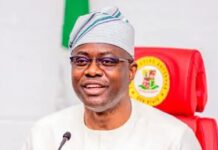

Statesmanship and Political Restraint: The OGD Example | By Oba Bright ADETOLA
I read about the boycott directive reportedly issued by the Campaign Organisation of OGD to its teaming supporters regarding the recently concluded primaries in the Ogun East Senatorial District. Reasons advanced for the action included the uneven political playing ground which allegedly rendered the process unfair to all concerned.
As widely reported in the media, the exercise appeared to have fallen short of democratic ethos and principles. Interestingly, this observation is not limited to that Senatorial District alone; similar concerns seem to have surfaced in other areas within and outside Ogun State.
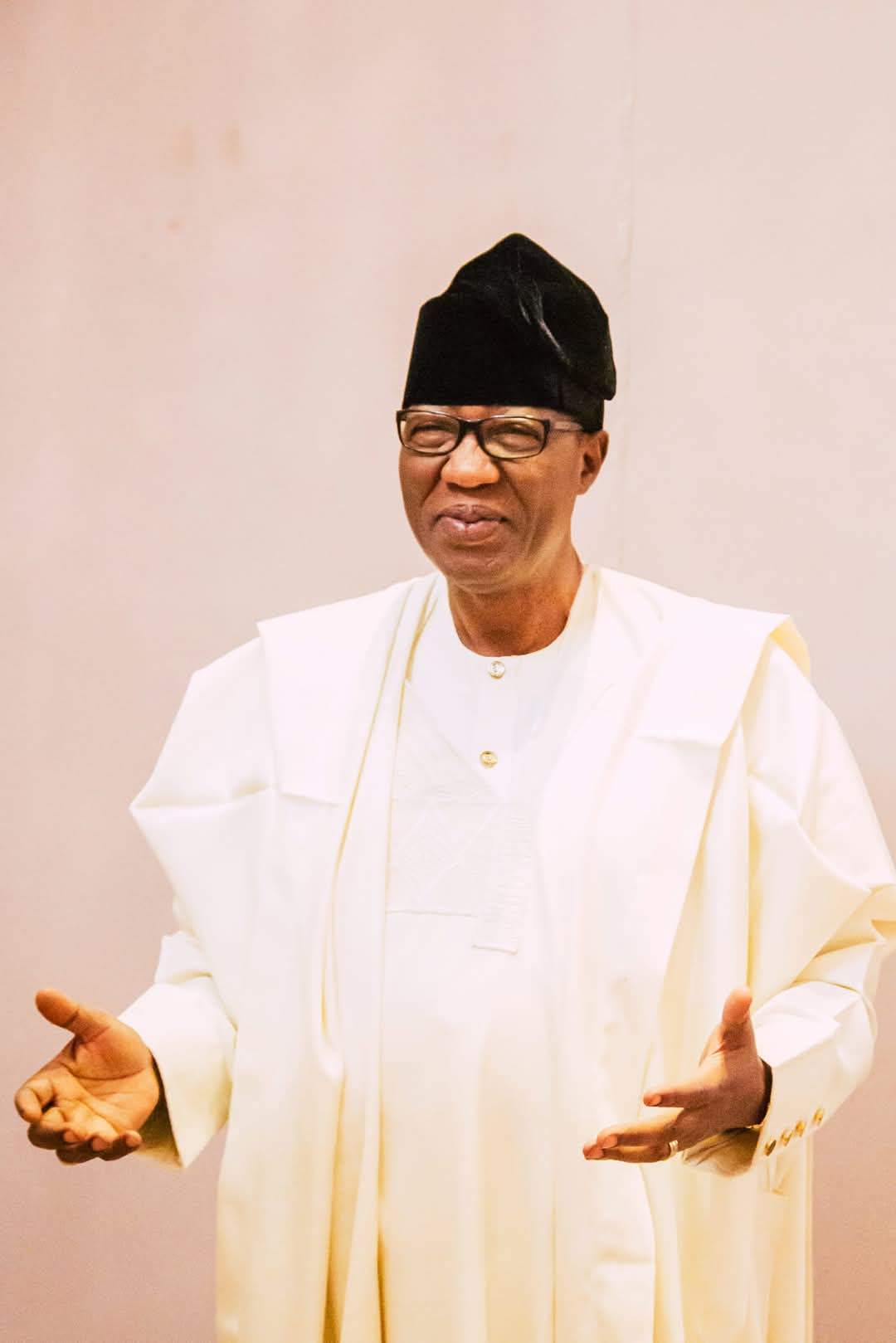
What, however, interests me most is the statesmanlike disposition displayed by OGD in helping to avert what could have degenerated into a major political crisis in the area, arising from the inability of two leading contenders to reach a common understanding in the interest of the very people they both seek to serve.
In my earlier public interventions, I had warned that a political bloodbath was possible if both parties failed to resolve their differences in favour of the people. Thankfully, OGD chose the path of honour, dignity, and restraint — qualities for which he has long been known both as a former Governor and as a Senator of the Federal Republic of Nigeria.
Another important issue raised by this development is the continuing challenge that politics and “politicking” in Nigeria pose to those of us who teach Political Sociology at higher institutions. This situation represents only one example among many.
One would have expected that Ogun State — where, under OGD’s leadership, political aspirants and contestants were once freely allowed to debate before the electorate at the Cultural Centre in Abeokuta — would have advanced far beyond what was recently witnessed during the Ogun East Senatorial District primaries. Sadly, it appears we may have been dragged backward in our political journey of democratic transformation in Ogun State.
Similarly, one would have expected that the spirit of consensus which produced YAYI would have been allowed to settle and positively influence political processes across other parts of the state. Unfortunately, events that followed, especially in the Ogun East Senatorial District, have left many disappointed. The situation now reflects the image of a divided house, with possible implications and consequences as all parties move toward the general elections.
The government under the incumbent administration was expected to play the role of a father figure under whose authority the entire process was conducted. Acting simultaneously as a contestant and an umpire falls below what is expected in a true democracy where the credibility of the process is just as important as the outcome itself. Unfortunately, there appeared to be no clear separation between these positions. To be fair, this concern is not peculiar to Ogun State alone; it is a national issue deserving serious attention going forward.
At this critical time, one can only further appeal to those in positions of authority to always remember that power ultimately belongs to the people, and that the people must remain central in all considerations relating to governance and service. Any service carried out without the people in mind ultimately becomes a disservice against the people.
Prof. Oba Bright Adetola teaches Political Sociology at Olabisi Onabanjo University Ago-Iwoye Ogun State