


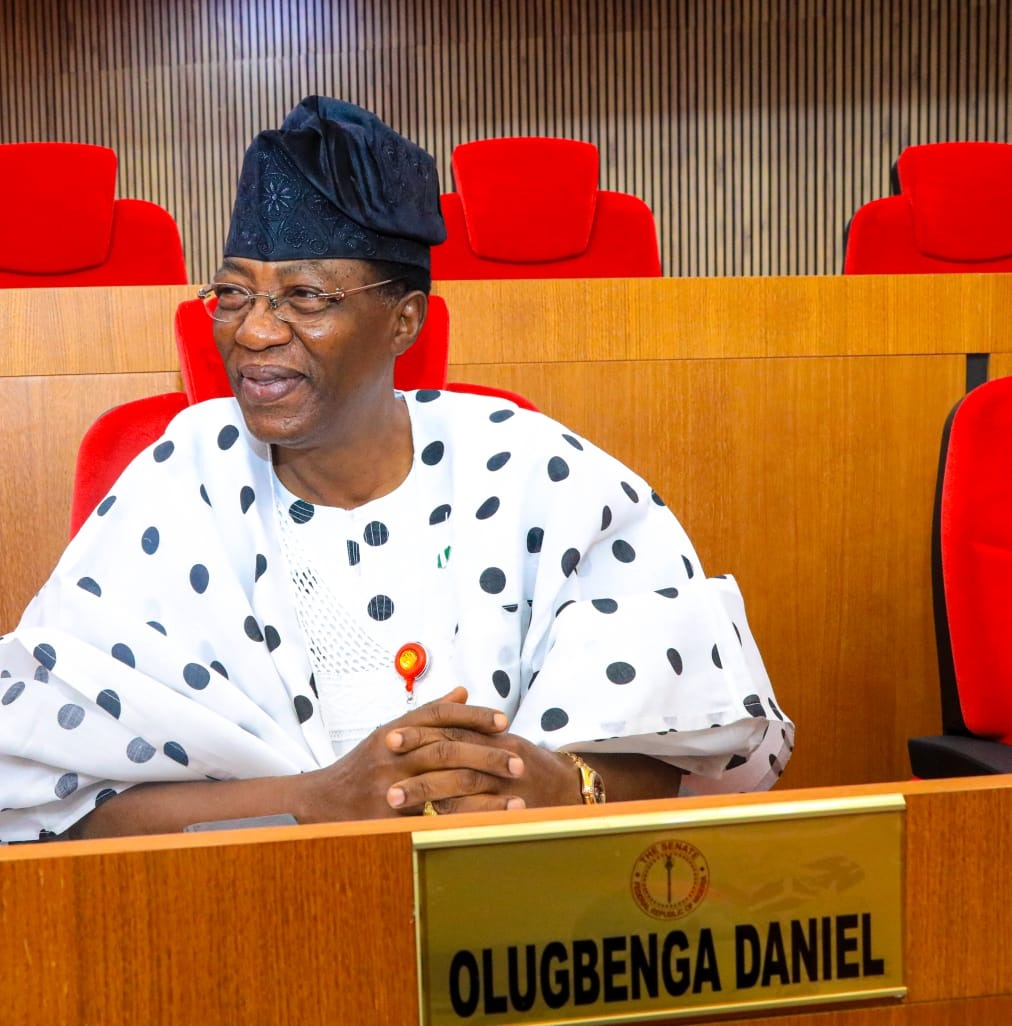
Senator Gbenga Daniel’s return to national politics marks a new era of strategic leadership — driving industrial policy, regional integration, and purposeful governance in Nigeria
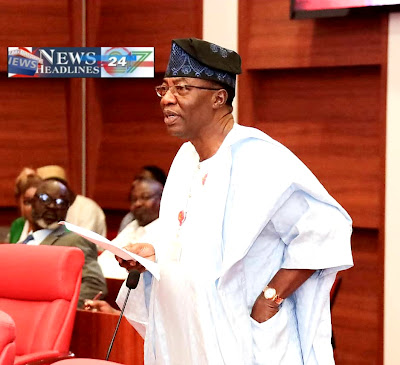
The Statesman’s Return — OGD in the Senate and the Rebirth of Strategic National Leadership [Total Recall Part 5]
By Lukman Omikunle
In Nigeria’s dynamic political landscape, few leaders embody the fusion of experience, intellect, and strategic foresight as profoundly as Otunba Engr. Gbenga Daniel (OGD) — former Governor of Ogun State and now the distinguished Senator representing Ogun East Senatorial District.
His return to the national stage marks not just a political comeback, but the rebirth of strategic leadership — one that bridges regional aspirations with national transformation.
A Return Rooted in Purpose
When OGD re-entered active politics and won his senatorial seat in 2023 under the banner of the All Progressives Congress (APC), it was not a mere quest for relevance — it was a deliberate return to service.
After years of private-sector engagement and mentorship, his re-emergence reflected a statesman’s resolve to contribute his wealth of experience to national policy, industrial growth, and regional integration in a rapidly evolving Nigeria under President Bola Ahmed Tinubu’s Renewed Hope administration.
“Leadership is not about position; it is about purpose,” OGD often says — a mantra that continues to define his approach to governance and national engagement.
Championing Industrial and Economic Policy
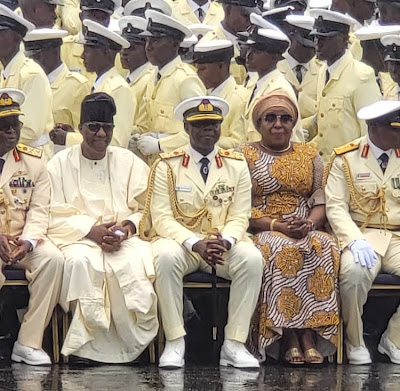
As Chairman of the Senate Committee on the Navy and a key voice in the Senate Committee on Industries, OGD has brought his trademark pragmatism and engineering mindset to legislative business.
His interventions often reflect a deep understanding of Nigeria’s economic architecture — particularly the interplay between industrialization, infrastructure, and human capital.
From advocating for maritime reforms and industrial zone expansion to pushing for more sustainable power and energy policies, Daniel has become a pivotal player in shaping the policy frameworks driving Nigeria’s economic diversification.
“Nigeria’s path to true development lies in industrial empowerment, maritime efficiency, and human capacity development,” he declared in one of his Senate briefings.
Under his watch, Ogun’s Gateway industrial blueprint — which he pioneered as governor — has become a legislative model for encouraging states to build manufacturing clusters, free trade zones, and industrial corridors that feed into national GDP growth.
Reinforcing Regional Integration and Development
OGD’s voice in the Senate carries more than political weight; it carries the credibility of experience. His advocacy for regional infrastructure integration — particularly in the Southwest — is helping to shape national conversations on transport, energy, and industrial linkages.
He has pushed for strategic road and rail connections between Ogun, Lagos, and Ondo states; improved funding for education and innovation hubs; and the creation of new industrial gateways across the South West corridor.
His focus is clear, strengthen regional economies to reinforce national prosperity.
“When regions thrive, the nation prospers. Nigeria’s federal strength must be built from regional productivity,” OGD stated in a policy forum earlier this year.
A Statesman Among Peers
In the 10th National Assembly, Senator Daniel has emerged as a stabilizing force — respected across party lines for his moderation, clarity, and statesmanlike approach to national issues.
He is known for avoiding the noise of partisan politics while championing legislation that directly impacts citizens — from job creation and SME funding to maritime security and industrial innovation.
Fellow senators often describe him as “the bridge between technocracy and politics,” a man whose contributions are guided by substance, not sentiment.
“Senator Daniel represents the rare blend of governance experience and private-sector insight. He speaks from data, not drama,” a colleague observed.
Partnership with the Renewed Hope Agenda

Within the broader context of President Bola Tinubu’s Renewed Hope agenda, OGD’s role has become strategically significant.
His background in industrial development aligns perfectly with the administration’s push for economic renewal, infrastructure revitalization, and private-sector empowerment.
Through collaborative legislative advocacy, Daniel continues to help shape policy conversations that support national goals — from domestic manufacturing incentives to regional transport integration.
He remains one of the few senators who understand how to translate state-level success into federal-scale solutions.
Legacy in Motion: From Ogun to Abuja
The continuity of OGD’s legacy is unmistakable. What began in Ogun as an ambitious experiment in leadership has evolved into a national framework of policy influence and mentorship.
He remains deeply involved in community development across Ogun East, sustaining youth empowerment projects, scholarship programs, and vocational training initiatives under the— ensuring that governance remains human-centered.
“No matter the office, leadership must remain about the people. That is the covenant I made with Ogun, and it continues in Abuja,” OGD remarked during a recent constituency engagement.
The Rebirth of Strategic National Leadership
In a political space often dominated by short-term thinking, Senator Gbenga Daniel stands as a symbol of strategic continuity — a reminder that governance can be visionary, balanced, and transformational at once.
He brings to the Senate the same methodical discipline that once turned Ogun into Nigeria’s industrial hub. His ability to translate technical insight into legislative action has revived the idea that policy can be both intellectual and impactful.
At a time when Nigeria seeks to rebuild confidence in its political class, Daniel’s style — calm, analytical, and inclusive — represents a refreshing return to purpose-driven politics.
From the corridors of Oke-Mosan to the red-carpeted chambers of the Senate, Otunba Gbenga Daniel’s journey remains one of rare consistency.
He has shown that politics, when fused with intellect and empathy, becomes not just a tool for governance but a craft of nation-building.
His return to the national stage is not a step backward — it is a continuation of an unfinished mission: to industrialize, to empower, and to inspire.
The statesman has returned — and once again, Nigeria listens. Read More