
“Every country Mr Gregory Peter Obi @PeterObi has asked Nigeria to copy has, within the last three years, faced one major negative shock or another, from Argentina to Indonesia”
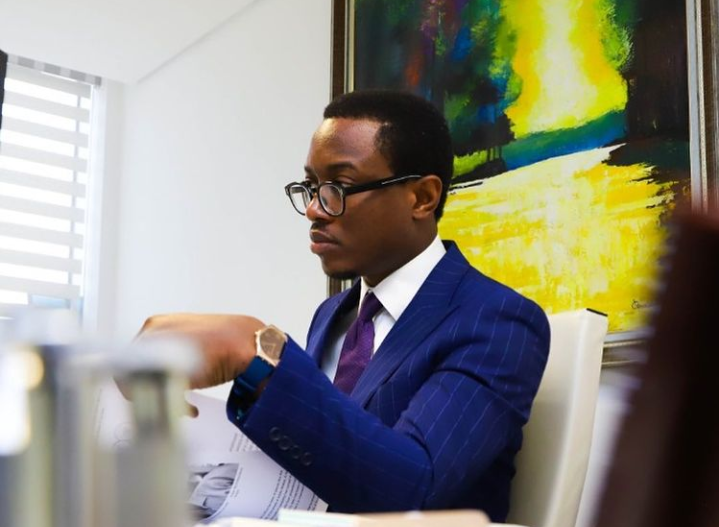
‘Nigeria Does Not Need Copy-and-Paste Economics’ — Ogra Slams Peter Obi
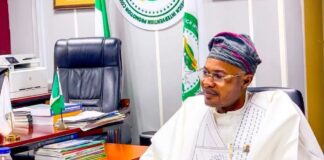
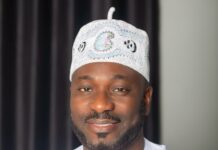
Senior Special Assistant to President Bola Ahmed Tinubu on Digital Communications, Engagement and New Media Strategy, O’tega Ogra, has taken aim at Peter Obi’s repeated references to foreign economies as models for Nigeria, arguing that many of the countries cited by the former Anambra State governor have themselves struggled with major economic shocks in recent years.
Ogra made the remarks in a post on X, formerly Twitter, as he weighed into the ongoing debate over Nigeria’s economic direction and the reforms being pursued by the Tinubu administration.
The presidential aide questioned what he described as the opposition’s tendency to compare Nigeria with selected foreign countries without fully accounting for the unique realities and vulnerabilities of those economies.
“Every country Mr Gregory Peter Obi @PeterObi has asked Nigeria to copy has, within the last three years, faced one major negative shock or another, from Argentina to Indonesia,” Ogra wrote.
According to him, governance requires a deeper understanding of local realities rather than relying on what he termed selective comparisons.
“That should teach us something. Nations are not managed by selective comparison. They are governed through context, capacity, discipline and the ability to anticipate shocks,” he stated.
Drawing parallels with the corporate sector, Ogra argued that leaders who recommend policy models without adequately assessing potential risks would struggle to retain the confidence of stakeholders.
“In the corporate world, a CEO who keeps recommending models without stress testing their risks would quickly lose the confidence of the Board. It would raise serious questions about judgment, planning and the ability to protect the institution in uncertain times,” said Ogra, who recently secured an appointment to the Executive Committee of the World Federation of Advertisers.
His comments come against the backdrop of sustained public debate over the impact of President Tinubu’s economic reforms, particularly the removal of fuel subsidy and the liberalisation of the foreign exchange market. While supporters of the administration argue that the measures are necessary to stabilise the economy and attract investment, critics contend that the reforms have worsened inflation and increased the cost of living.
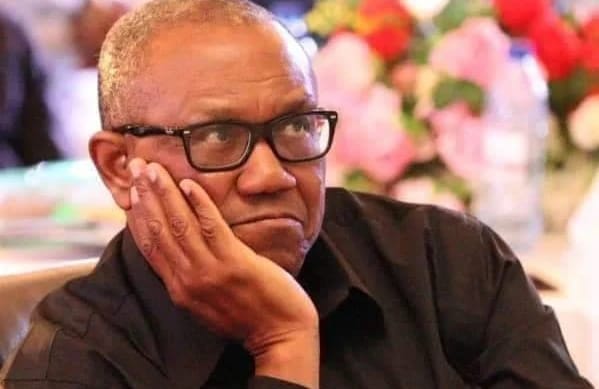
Peter Obi, the Labour Party’s presidential candidate in the 2023 election and the National Democratic Coalition’s presidential flagbearer for 2027, has consistently pointed to countries such as Indonesia, Vietnam and Argentina as examples of economies that implemented reforms and achieved measurable growth, urging Nigeria to draw lessons from their experiences.
However, Ogra maintained that sustainable economic progress cannot be achieved through the wholesale adoption of foreign policies.
“Nigeria does not need copy-and-paste economics. It needs leadership that understands its own realities, strengthens its own foundations, and builds resilience before applause,” he wrote.
The presidential aide concluded by expressing strong confidence in President Tinubu’s leadership and economic approach.
“This is where President Bola Tinubu stands heads above them all,” he stated.
Ogra has become one of the administration’s most prominent voices on governance, economic reforms and public communication. Beyond his role in government, he serves as Vice-President of the Advertisers Association of Nigeria (ADVAN) and was recently appointed to the Executive Committee of the World Federation of Advertisers.
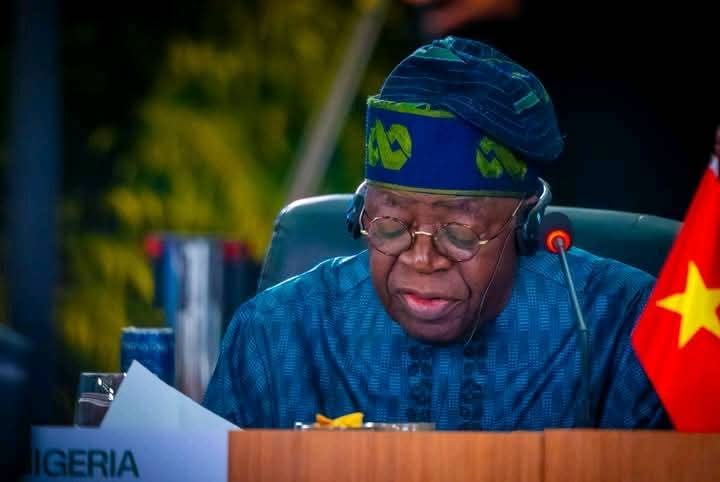
His latest intervention is expected to intensify the long-running political and economic debate between supporters of President Tinubu and Peter Obi as both camps continue to offer competing visions for economic recovery, fiscal stability and long-term growth in Africa’s largest economy ahead of the 2027 general election.