






Crude oil climbs above $112 amid Middle East tensions as petrol prices surge in Nigeria, with Dangote Refinery raising fuel costs again
Oil Prices Hit $112 as Iran-US-Israel War Escalates, Petrol Prices Rise in Nigeria
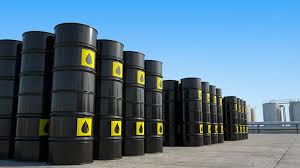
Global crude oil prices have surged past $112 per barrel as tensions in the Middle East intensify, with the ongoing Iran–United States–Israel conflict entering its 21st day.
Brent crude rose by 3.26 percent to $112.2 per barrel, while West Texas Intermediate (WTI) climbed 2.80 percent to $98.23 per barrel as of the latest market update.
The sharp increase comes amid stalled ceasefire efforts, as the United States, Israel, and Iran remain locked in a deepening standoff with no agreement in sight.
US President Donald Trump, in a post on Truth Social, hinted at a possible “winding down” of military operations in the region. However, developments on the ground suggest otherwise.
Iran escalated tensions on Saturday by firing missiles toward the Chagos Islands, a remote British overseas territory located more than 2,000 miles from Tehran, according to reports by Iran’s semi-official Mehr News Agency.
The move followed approval by UK Prime Minister Keir Starmer for the United States to use British bases in launching strikes against Iran—a decision that has further heightened geopolitical risks.
Earlier, Iran’s Foreign Minister, Seyed Abbas Araghchi, warned that the UK’s involvement could endanger British lives.
The ripple effects of the conflict are already being felt in Nigeria, where petrol prices have surged sharply.
On Friday, the Dangote Refinery, Africa’s largest refining facility, raised its gantry fuel price for the fourth time in March 2026 to ₦1,245 per litre.
The increase has pushed pump prices higher, with filling stations in Abuja now selling petrol between ₦1,331 and ₦1,430 per litre, worsening the burden on consumers.
With global oil markets reacting to geopolitical uncertainty, analysts warn that further escalation could drive prices even higher, deepening economic pressure in import-dependent countries like Nigeria. Read More