
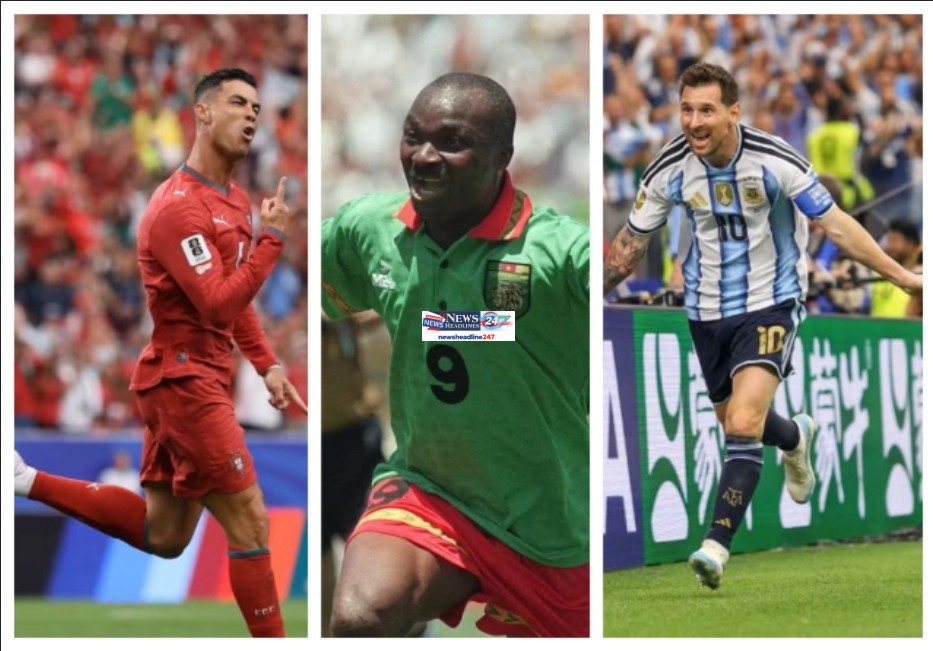



Cristiano Ronaldo’s record-breaking goal against Uzbekistan at the 2026 FIFA World Cup has moved him to second place among the oldest goalscorers in tournament history. See the complete top 20 list
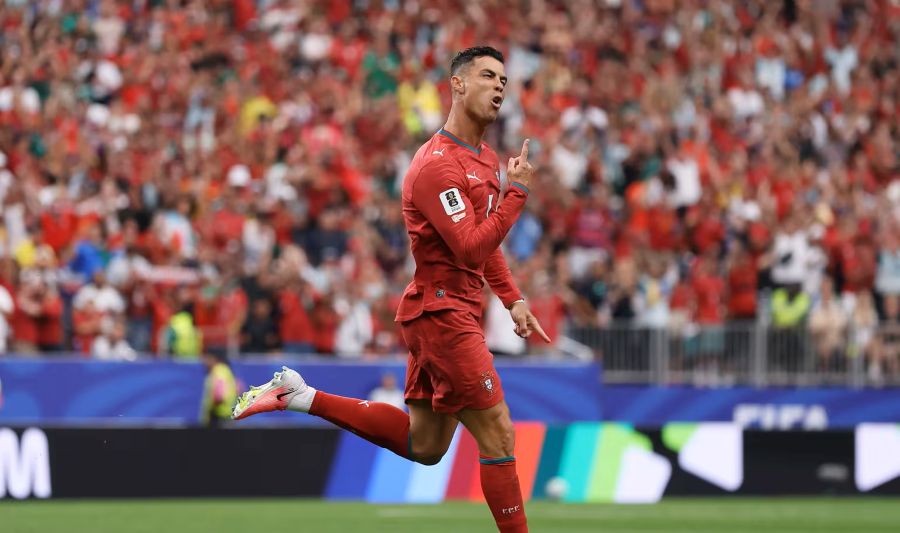
Oldest Goalscorers in World Cup History: Ronaldo Climbs to No. 2 Behind Roger Milla
Age is often described as the greatest opponent in sport, yet some footballers have refused to bow to time on the grandest stage of all. Across nearly a century of FIFA World Cup history, a select group of players have continued to shine long after most of their contemporaries had retired, producing unforgettable moments that proved experience can be just as decisive as youthful energy.
The latest addition to that elite club is Cristiano Ronaldo. The Portugal captain further cemented his legendary status on June 23, 2026, when he scored against Uzbekistan at the age of 41 years and 138 days. The strike not only made him the first player to score in six different FIFA World Cups but also elevated him to second place on the all-time list of oldest goalscorers in tournament history, behind only Cameroon icon Roger Milla.
Milla’s remarkable record has stood for more than three decades. The African legend stunned the football world at the 1994 FIFA World Cup when he scored against Russia at the age of 42 years and 39 days, becoming the oldest goalscorer in the tournament’s history. Ronaldo’s latest feat has brought him closer than anyone else to that historic benchmark.
Below is the updated ranking of the oldest goalscorers in FIFA World Cup history following Portugal’s match against Uzbekistan on June 23, 2026.
• Roger Milla (Cameroon) – 42 years, 39 days – Set the record at the 1994 FIFA World Cup against Russia.
• Cristiano Ronaldo (Portugal) – 41 years, 138 days – Set the record mark at the 2026 FIFA World Cup against Uzbekistan.
• Pepe (Portugal) – 39 years, 283 days – Set the record at the 2022 FIFA World Cup against Switzerland in the Round of 16.
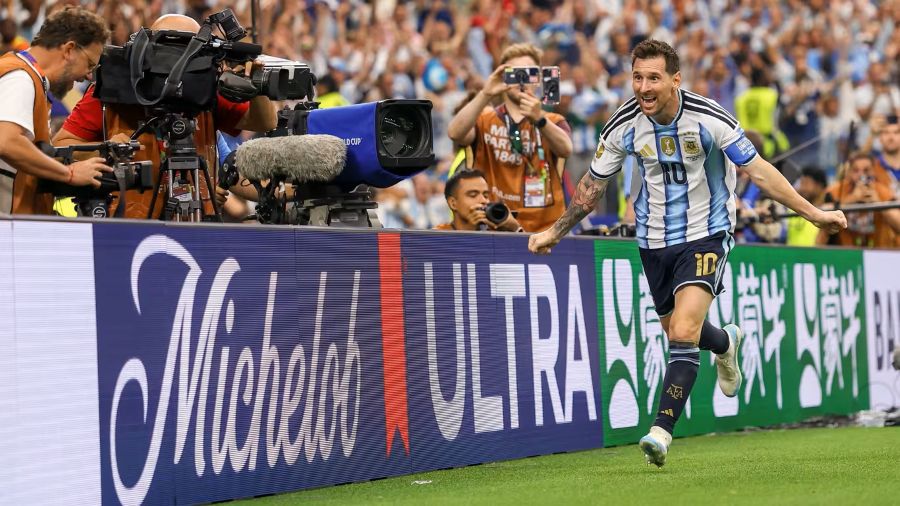
• Lionel Messi (Argentina) – 38 years, 363 days – Set the record at the 2026 FIFA World Cup against Austria.
• Gunnar Gren (Sweden) – 37 years, 236 days – Set the record at the 1958 FIFA World Cup semi-final against West Germany.
• Cuauhtemoc Blanco (Mexico) – 37 years, 151 days – Set the record at the 2010 FIFA World Cup against France.
• Felipe Baloy (Panama) – 37 years, 120 days – Set the record at the 2018 FIFA World Cup against England.
• Marko Arnautovic (Austria) – 37 years, 58 days – Set the record at the 2026 FIFA World Cup.
• Obdulio Varela (Uruguay) – 36 years, 279 days – Set the record at the 1954 FIFA World Cup.
• Martin Palermo (Argentina) – 36 years, 227 days – Set the record at the 2010 FIFA World Cup against Greece.
• Georges Bregy (Switzerland) – 36 years, 152 days – Set the record at the 1994 FIFA World Cup against the United States.
• Ramin Rezaeian (Iran) – 36 years, 86 days – Set the record at the 2026 FIFA World Cup.
• Olivier Giroud (France) – 36 years, 71 days – Set the record at the 2022 FIFA World Cup against Poland.
• Tom Finney (England) – 36 years, 64 days – Set the record at the 1958 FIFA World Cup.
• Miroslav Klose (Germany) – 36 years, 29 days – Set the record at the 2014 FIFA World Cup against Brazil.
• John Aldridge (Republic of Ireland) – 35 years, 279 days – Set the record at the 1990 FIFA World Cup.
• Nils Liedholm (Sweden) – 35 years, 264 days – Set the record at the 1958 FIFA World Cup final against Brazil.
• Giovanni van Bronckhorst (Netherlands) – 35 years, 151 days – Set the record at the 2010 FIFA World Cup against Uruguay.
• Rafa Marquez (Mexico) – 35 years, 130 days – Set the record at the 2018 FIFA World Cup against Germany.
• Ricardo Pelaez (Mexico) – 35 years, 103 days – Set the record at the 1998 FIFA World Cup against South Korea.
The list highlights a fascinating trend in modern football. Improvements in fitness, nutrition, sports science and recovery have enabled players to extend their careers and remain competitive well into their late 30s and early 40s. Ronaldo’s rise to second place, Messi’s continued impact for Argentina, and the presence of veterans such as Pepe and Olivier Giroud demonstrate how elite footballers are redefining longevity at the highest level.
For now, Roger Milla remains the undisputed king of football’s oldest goalscorers. But with Cristiano Ronaldo continuing to rewrite history at 41, a record once considered untouchable suddenly appears vulnerable. The question is no longer whether Ronaldo can break records—it is whether he can claim one more and finally surpass the legendary Cameroonian at the summit of World Cup history.