





Nigeria has emerged as Africa’s top-performing economy on the IMD World Competitiveness Ranking 2026 economic performance pillar but slipped to 68th globally due to infrastructure and business environment challenges
Nigeria Leads Africa in IMD Economic Performance Ranking Despite Drop in Global Competitiveness
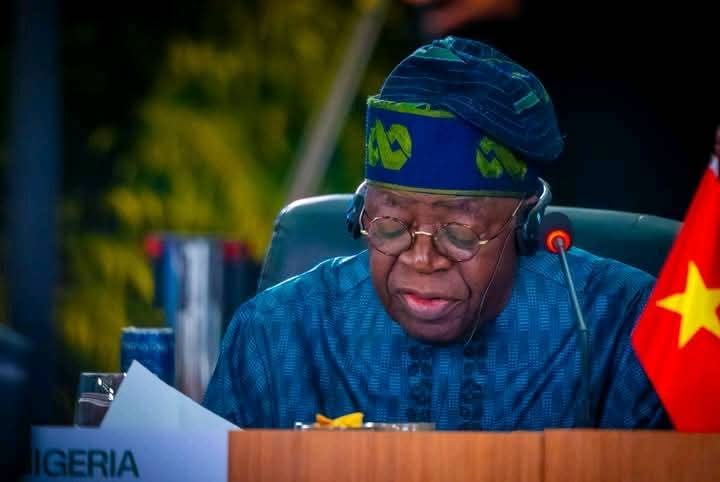
Nigeria has emerged as Africa’s highest-performing economy on the economic performance pillar of the International Institute for Management Development (IMD) World Competitiveness Ranking 2026, outperforming every other African country assessed in the latest global report despite slipping further down the overall competitiveness table.
The IMD, which evaluated 70 economies across four pillars—economic performance, government efficiency, business efficiency and infrastructure—ranked Nigeria 55th globally for economic performance with a score of 45.2 points, making it the continent’s best performer in that category.
However, the country’s overall competitiveness weakened, dropping one place from 67th in 2025 to 68th out of the 70 economies surveyed in 2026. The report attributed the decline to persistent infrastructure deficits, macroeconomic instability, institutional weaknesses and an increasingly challenging business environment.
Nigeria comfortably outperformed the other five African economies included in the assessment. South Africa ranked second on the continent with 36.27 points, placing 64th globally, followed by Ghana with 34.6 points (65th), Kenya with 33.19 points (66th), Namibia with 22.3 points (68th) and Botswana with 18.25 points (69th). The report highlighted a 26.95-point gap between Nigeria and Botswana, the lowest-ranked African country on the economic performance pillar.
The economic performance index measures key indicators including domestic economic activity, international trade, foreign investment, employment and price developments, areas where Nigeria showed stronger momentum than its continental peers.
Despite leading Africa in economic performance, the country’s broader competitiveness continued to come under pressure. Nigeria recorded an overall competitiveness score of 38.8 points, reflecting weaker performances in several critical areas that influence investment and long-term economic growth.
Government efficiency declined to 53rd position from 50th in the previous year, while business efficiency slipped to 63rd from 59th. Infrastructure remained Nigeria’s weakest area, falling to 70th globally after ranking 68th in 2025.
On individual economic performance indicators, Nigeria ranked 51st in domestic economy, 64th in international trade, 64th in international investment, 61st in prices and 64th in employment.
The report identified a number of strengths, with Nigeria performing relatively well in public finance, where it ranked 16th globally, and tax policy, where it placed 15th.
However, deep structural weaknesses continue to undermine the country’s competitiveness. Nigeria ranked 69th in institutional framework, 69th in societal framework, 22nd in labour market performance and last globally—70th—in finance under the business efficiency category, highlighting the continued difficulty businesses face in accessing affordable credit.
The survey also captured the concerns of business executives operating in Nigeria, with high borrowing costs, exchange rate volatility and inflation emerging as the three biggest obstacles to competitiveness.
According to the report, 67.6 per cent of respondents identified borrowing costs as a major challenge, while 67.3 per cent pointed to exchange rate volatility. Inflation was cited by 61.2 per cent of executives, while global uncertainty, supply chain disruptions and labour constraints were also highlighted as significant concerns.
Beyond macroeconomic issues, respondents identified insecurity, insurgency, banditry, unreliable electricity supply and transport infrastructure deficiencies as major barriers limiting business growth and reducing Nigeria’s competitiveness on the global stage.
The latest IMD assessment comes amid signs of improving economic fundamentals. Nigeria’s economy expanded by 4.07 per cent year-on-year in real terms during the fourth quarter of 2025, reflecting stronger economic activity following a series of fiscal and monetary reforms.
The country’s reform agenda has also attracted favourable international attention. S&P Global Ratings recently upgraded Nigeria’s long-term foreign and local currency credit ratings to ‘B’ from ‘B-‘, citing improved foreign exchange liquidity, stronger government revenues, higher external reserves and ongoing economic reforms. The ratings agency had earlier maintained a positive outlook on Nigeria’s sovereign credit profile, signalling cautious optimism about the country’s recovery trajectory.
While the IMD report confirms that Nigeria currently leads Africa in economic performance, it also underscores the urgent need for sustained improvements in infrastructure, institutional quality, financing conditions and the overall ease of doing business if the country is to strengthen its global competitiveness and translate economic growth into lasting development.