





INEC removes over 1.6 million invalid voter records, identifies 54 staff over registration irregularities and announces fresh safeguards
INEC Removes 1.6m Invalid Voter Records, Identifies 54 Complicit Staff
By Newsheadline247
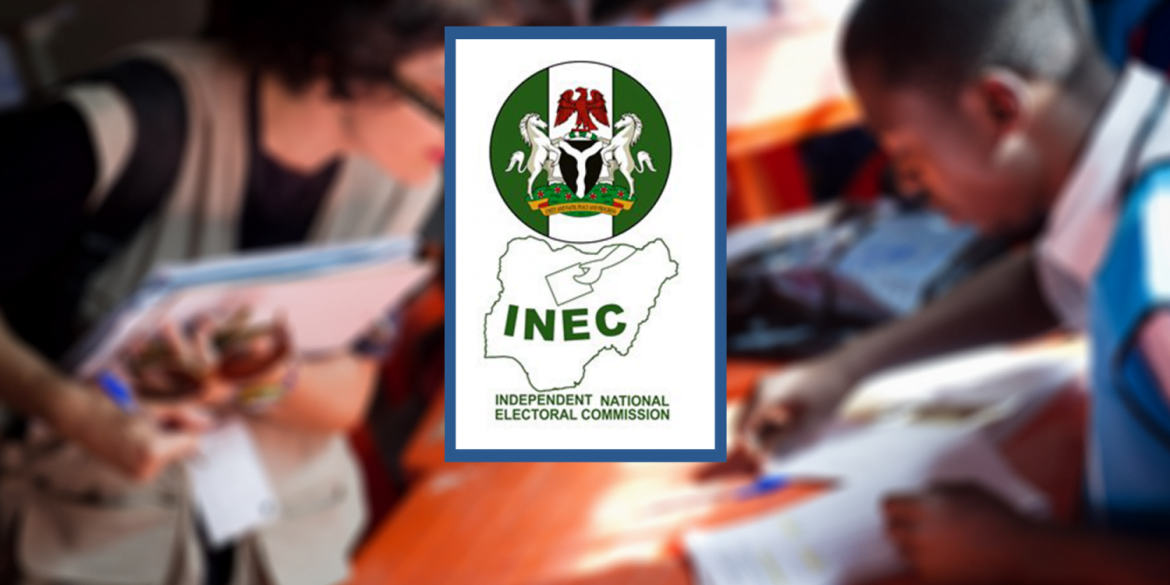
The Independent National Electoral Commission (INEC) has removed more than 1.6 million invalid records from Nigeria’s national register of voters and identified 54 staff members allegedly involved in registration irregularities across 10 states.
The commission also warned that personnel found culpable could face disciplinary sanctions and criminal prosecution following investigations into suspected misconduct during the 2025/2026 Continuous Voter Registration (CVR) exercise.
INEC Chairman, Prof. Joash Amupitan, disclosed the findings on Monday during a press conference at the commission’s headquarters in Abuja.
Amupitan said the commission recorded 11,088,238 registrations across the three phases of the exercise, but subsequent verification and screening exposed thousands of questionable entries.
He explained that the Automated Biometric Identification System initially flagged 1,545,052 registration records for further scrutiny, stressing that automated identification alone was not sufficient grounds for declaring any registration invalid.
“A flagged record is not necessarily an invalid registration: automated screening identifies matters requiring review, while authorised adjudication determines the outcome,” he said.
According to the INEC chairman, 1,277,052 registrations were initially established as invalid and removed before the publication of the preliminary voters’ register.
He added that the commission subsequently reviewed complaints and objections submitted during the public display of the register, leading to the adjudication of an additional 268,000 cases.
Of the cases examined, 217,722 registrations were declared invalid and removed, while 50,278 were cleared and retained in the register.
Amupitan further disclosed that subsequent verification uncovered another 113,886 invalid registrations, bringing the number of additional removals after the public display to 331,608.
The commission’s investigations also uncovered deliberate attempts by some registration personnel to manipulate established procedures and exploit provisions designed to accommodate exceptional registration circumstances.
“The Commission found instances in which certain registration personnel deliberately circumvented established registration procedures and misused provisions intended for exceptional registration circumstances, including for persons with disabilities,” he said.
Amupitan disclosed that 54 individuals had been identified in connection with the irregularities across 10 states, warning that the commission would take appropriate disciplinary and legal action against those found responsible.
In a further move to strengthen the integrity of the registration process, the INEC chairman announced a ban on the use of web cameras for voter registration.
He said the commission had directed its Information and Communication Technology department to introduce an application-based camera system that would prevent registration personnel from importing external photographs into the voter registration database.
The measure, he explained, was part of efforts to eliminate loopholes that could be exploited to compromise biometric registration and undermine the credibility of the national voters’ register.
Amupitan also announced the approval of a comprehensive Artificial Intelligence governance framework developed in collaboration with the International Foundation for Electoral Systems and the British High Commission.
The framework is expected to provide guidelines for the responsible deployment of artificial intelligence in the commission’s operations, particularly in strengthening electoral processes and improving institutional safeguards.
Meanwhile, INEC disclosed plans to tackle historical duplications in the national voters’ register dating back to 2011, acknowledging that removing irregularities associated with the latest registration exercise would not, on its own, resolve longstanding problems in the database.
The commission said the broader clean-up would address legacy records and improve the accuracy and reliability of the national register ahead of future elections.
INEC announced that the final register of voters would be published on December 15, 2026, following the completion of the verification and other necessary processes.