



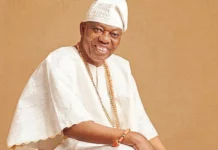




Fresh controversy has erupted over the selection of a new Olu of Kobape in Ogun State as concerned indigenes reject the nomination of Chief Tolu Lambert Oyesiku Taylor and petition the Alake of Egbaland over alleged irregularities
Crisis Rocks Kobape Throne Selection as Indigenes Reject Olu Nominee, Petition Alake
Fresh controversy has erupted over the process of selecting a new traditional ruler for Kobape Town in Obafemi Owode Local Government Area of Ogun State, with a group of concerned indigenes openly rejecting the nomination of Chief Tolu Lambert Oyesiku Taylor for the vacant stool of the Olu of Kobape.
The development has heightened tensions within the community, as stakeholders under the aegis of the Obaland Descendants Indigenous People in Egbaland accused key actors in the selection process of sidelining due process and ignoring the voices of critical stakeholders in Obaland.
In a petition addressed to the Alake and Paramount Ruler of Egbaland, Oba Michael Adedotun Aremu Gbadebo, the group challenged what it described as a flawed nomination process and alleged that former Ogun State Governor, Olusegun Osoba, unilaterally influenced the emergence of Chief Taylor without adequate consultations with community leaders, chiefs, elders, youths and descendants of the Oba/Obamode lineage.
According to the stakeholders, the nomination runs contrary to earlier assurances allegedly given by Osoba that all interested aspirants would be subjected to a transparent screening and evaluation process before any candidate emerged. They argued that the expectation within Obaland was for a credible, inclusive and widely accepted process capable of producing a traditional ruler who enjoys broad support across the community.
The dispute comes more than five years after the death of the late Olu of Kobape, Oba Olufemi Taylor, whose passing created the vacancy now at the centre of the controversy.
The aggrieved indigenes also challenged what they perceived as efforts to retain the stool within the Taylor family, insisting that Obaland has no established hereditary royal dynasty that automatically entitles any particular family to produce successive traditional rulers. According to them, the history and traditions of the community do not support the notion of a permanent ruling house dating back to the origins of Obaland in Egbaland.
The group further maintained that imposing any candidate on the community would be unjust, particularly when other aspirants with strong community ties and visible records of service are available for consideration.
Among the names put forward by the stakeholders are Chief Olusegun Majekodunmi, popularly known as “Ajameta,” and Chief Babatunde Solomon Olusi (JP), both of whom were praised for their contributions to community development, youth empowerment and grassroots engagement.
The concerned indigenes warned that allowing an unfamiliar candidate to emerge through what they described as a questionable process could encourage money politics, external interference and a style of leadership disconnected from the realities and aspirations of local residents.
They also cautioned that any attempt to force through the nomination without broad-based acceptance could trigger avoidable tension and threaten the peace that has long existed within Kobape and neighbouring communities.
According to the group, the process leading to Chief Taylor’s nomination does not reflect the customs and traditions of Egbaland and may also be inconsistent with the chieftaincy regulations guiding the appointment of traditional rulers in Ogun State.
The stakeholders therefore appealed to the Alake of Egbaland to urgently intervene in the matter and ensure that fairness, justice and due process prevail in the selection exercise.
They also called on the Ogun State Ministry of Local Government and Chieftaincy Affairs and other relevant government agencies to investigate what they described as the unilateral nomination of Chief Tolu Lambert Oyesiku Taylor and, if necessary, nullify the process.
Adding another layer to the controversy, the group alleged that Chief Taylor had informed some community members that his nomination was effectively concluded in the United Kingdom through the involvement of Chief Olusegun Osoba and Chief Damoye Oyesiku before wider consultations with stakeholders in Obaland took place.
Despite their objections, the concerned indigenes stressed that their actions are motivated by a desire to preserve peace, unity and the integrity of the traditional institution in Kobape. They urged all parties involved to embrace transparency and take steps capable of preventing division within the community, warning that any process perceived as unfair could undermine public confidence and destabilise the town at a critical moment in its history.
As the controversy continues to unfold, attention is now focused on the response of traditional authorities and the Ogun State Government, whose intervention many residents believe will be crucial in determining the future leadership of Kobape and restoring confidence in the selection process.