


Nigeria’s economy is showing strong signs of recovery and entering a phase of accelerated growth following sweeping reforms introduced by the administration of President Bola Ahmed Tinubu.
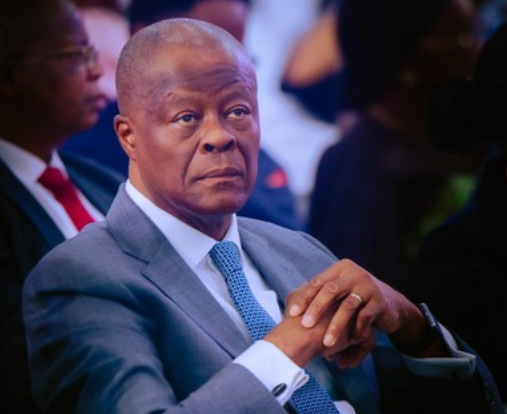
Minister of Finance and Coordinating Minister of the Economy, Wale Edun, disclosed this during a press briefing on the sidelines of the Spring Meetings of the World Bank and the International Monetary Fund (IMF) in Washington, D.C.
Edun explained that the government’s economic policies since 2023 represent a clear departure from short-term fixes, focusing instead on structural reforms designed to ensure long-term stability and resilience.
According to him, the reforms are already yielding results, with economic growth now exceeding four per cent and external reserves rising significantly to nearly $50 billion.
He noted that key policy decisions — particularly the liberalisation of the foreign exchange market and the removal of fuel subsidies — have helped correct longstanding distortions in the economy, enabling it to better withstand global economic pressures.
Despite these gains, the minister acknowledged that inflation remains a major concern, driven by rising energy costs, food supply challenges and transportation expenses. He, however, assured that targeted interventions are being implemented to support vulnerable Nigerians while boosting agricultural production to ease price pressures.
Edun stressed that fiscal discipline remains central to the government’s strategy, with resources now being allocated more efficiently following the elimination of subsidy burdens.
He also pointed to renewed investor confidence, citing major investments such as the Dangote Refinery as evidence of growing private sector participation. Small and medium-scale enterprises, he added, are equally benefiting from reforms aimed at improving the business climate.
Looking ahead, the minister expressed optimism that Nigeria is transitioning into a new economic phase marked by faster growth and increased job creation, especially in critical sectors like power, agriculture, infrastructure and technology.
He further revealed that discussions with global partners at the meetings reflected continued international support for Nigeria’s reform agenda, alongside rising investor interest in key sectors such as energy and agribusiness.
Also speaking, Governor of the Central Bank of Nigeria (CBN), Olayemi Cardoso, said monetary authorities remain aligned with the government’s reform efforts, prioritising stability amid global economic uncertainties.
Cardoso highlighted improvements in exchange rate conditions and external reserves, noting that consistency in policy implementation will be crucial in sustaining investor confidence.
On the banking sector, he disclosed that the ongoing recapitalisation programme has attracted significant investor interest, with about N4.65 trillion already mobilised. Most banks, he said, have met the new capital requirements, positioning them to better support lending and economic expansion.
Both officials expressed confidence that sustained reforms will further stabilise the economy, boost investment and drive long-term growth while improving living standards for Nigerians.